
Freddy Purcell covers Ed Skidelsky’s piercing philosophical examination of higher education.
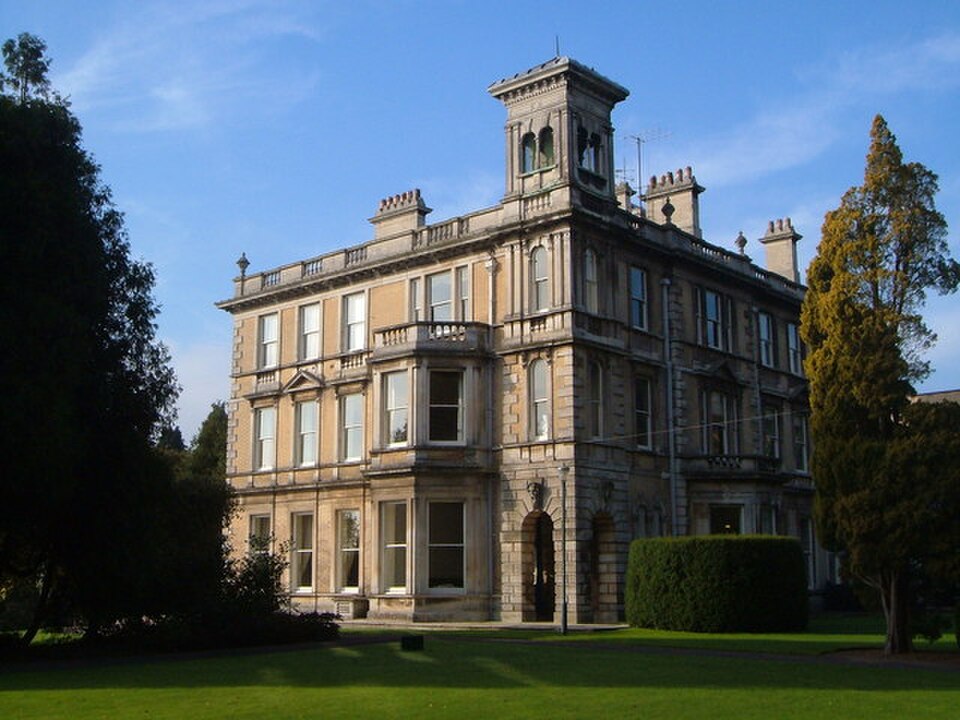
It was a pleasure to welcome back veteran Phil on Tap speaker, Ed Skidlesky, to discuss the state of higher education with a philosophical lens. It was only this summer that University of Exeter management announced that they were seeking to cut around 150 teaching staff, with a significant proportion of that number coming from the humanities. In the end, a significant enough number of staff took voluntary severance, meaning no one was fired. These dramatic few months represent only one of many signs of a difficult future ahead for higher education. In light of this, Skidelsky explored some of the decisions that brought universities to this state.
Alongside many, Skidelsky views the first major change to higher education as occurring when the Blair government introduced tuition fees, which have steadily risen over the last 20 years. The other major change was to remove the cap on student numbers in 2015. Such high numbers of students paying for a university education has turned universities into a market in Skidelsky’s opinion, concentrating the decision-making power with those in top managerial positions who seek to play the market, instead of with lecturers. However, as a market, universities are failing as the increase in the fee cap has not kept pace with inflation, causing a severe drop in real earnings for institutions. A decline in the appeal of British universities for international students, whose fees are uncapped, is a further problem.
The result of this difficult financial position is that universities all across the country have been forced to make cuts. This may be to staffing and courses offered, but also involves increasing class size, moving more teaching online, and reducing the time spent marking student work. To stay afloat, universities are forced to sacrifice the quality and breadth of education they can offer. Skidelsky presented a bleak picture of higher education’s future, with little promise of respite.
Amongst all this gloom, Skidelsky wanted to draw a philosophical point about the harm done to education by recent higher education policy. Just as someone being paid to be your friend means you destroys the altruistic motives constitutive of friendship, he argued that selling education distorts its essence. Part of the reason for this is because he believes that the subjects offered by universities cannot have their offering qualified. In a philosophy class, a lecturer will have an idea of what they will raise, but discussions with students can lead any lesson onto territory that no participant had anticipated. Each participant may also take something different away. Given this ephemeral quality of what can be learned in class, Skidelsky argued it is wrong to try to pin down what education offers through commodification, locating the philosophical wrong behind the last 20 years of higher education policy.
We had a great round of questions where people shared their grievances about higher education and explored possibilities of universities in the UK. Unfortunately, no definitive conclusions were drawn. However, I think in lively interactions like these, it always shows that learning can transcend the structures put in place by institutions because it emerges from sharing thoughts and experiences. At university there are so many opportunities for doing this, be it discussing a topic with friends in class or questioning a lecturer in their office hours. These moments where we expand our minds into new territories can make university education the most wonderful thing, and I do not think that will ever change.
Thank you to Ed Skidelsky for the talk!